Many of our professors here at KCGI have extensive experience at some of Japan’s most distinguished universities, such as Kyoto University, or have worked at the forefront of their fields. Students can receive direct guidance from our professors as they work on their Master Project.
Summary
The Master Project is a required course that focuses on the practical application of ICT and technology. The course objective is to guide students through the process of identifying issues based on their own observations and concerns, defining challenges, analyzing them, and proposing solutions. Building on the knowledge and skills they have acquired in their areas of specialization and related industries, students use specific tools—such as platforms, software, services, frameworks, and business models—to analyze issues and present solutions. The course emphasizes the practical application of these tools in addressing real-world challenges.
Unlike traditional research-based master's programs where the emphasis is placed on contributing new knowledge, students conduct a practical project that applies existing tools and technologies, and present it as their master's thesis. Students can select their project themes and methods according to their own interests and aspirations.
The Master Project serves as the culmination of a student’s academic journey and inspires students to apply ICT in ways that create positive change in society through practical innovation.
Program Structure
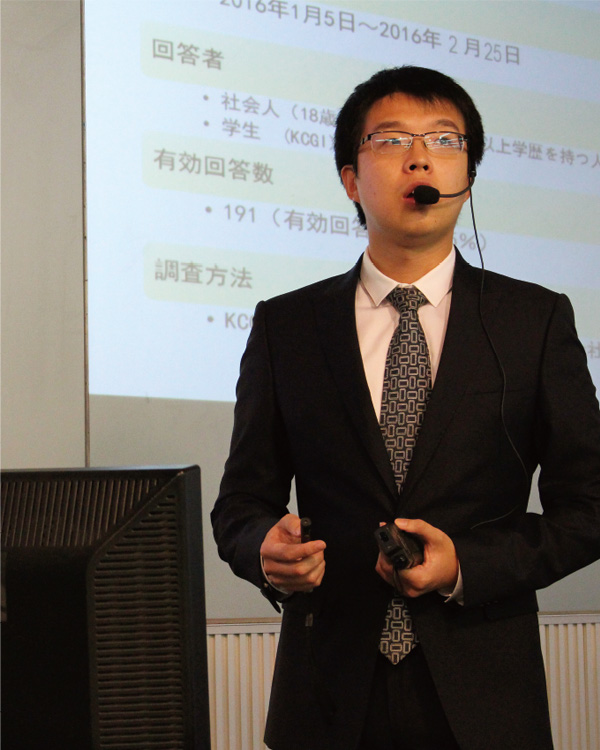
In the Master Project course, students take the initiative in designing and carrying out their own projects. From selecting a topic related to their field of study and preparing a project proposal to conducting the project, students lead the project from start to finish under the guidance of a Project Sponsor (supervising professor) whose expertise matches the project’s focus. Students may undertake not only projects in which they apply specialized technical skills but also pursue more in-depth academic research. Modeled after Columbia University in the United States, the Master Project adopts a flexible approach to learning that allows students to select from one of four types of Master Projects (MP) based on their desired duration and scope of study.
- Type 1
- Master Project 0
- Students register for a course of their choice within their field of concentration and complete a report on a topic related to that course.
Duration: one semester - Type 2
- Master Project 2
- Students freely choose a topic based on their own ideas and carry out a project aligned with their individual interests.
Duration: one semester - Type 3
- Master Project 4
- Students undertake a larger-scale project or explore a more advanced topic of their choosing, devoting one year to its completion.
-
- Type 4
- Master Project 6
- Students devote a year and 6 months undertaking an in-depth exploration of a topic of their choosing with the goal of producing a master's thesis comparable in quality to those at leading graduate research universities around the world.
-
Master Project Example
- Field of Concentration
- Artificial Intelligence
- Project Title
- Histopathological Cancer Detection Using an Optimized Lightweight CNN (Type 4: Master Project 6)
Semester 1
Interested in big data, I registered for a wide variety of courses to build both foundational knowledge and specialized expertise. As I progressed in my studies, I decided to pursue Master Project in Artificial Intelligence. After consulting with my Academic Coordinator about undertaking Master Project 6, I began reviewing literature related to my topic in preparation for the project.
Semester 2
Based on my literature review, I’ve decided to register for Research Project/Independent Study on a topic related to Artificial Intelligence. I summarized part of my findings and gave a presentation at an academic conference. In the required Project Foundations course, I learned how to write a project proposal and about other tools necessary for carrying out the Master Project before completing and submitting my proposal.
Semester 3
Building on the topic I presented at the academic conference, I expanded my research with a greater emphasis on practical applications in society through my Research Project/Independent Study. Throughout the project, I regularly submitted my work to my Project Sponsor, reported on my progress, and refined the project based on their feedback while following my research plan.
Semester 4
After reviewing and revising parts of my project plan, I completed the project according to the revised plan. I summarized the results of my project in a journal article, submitted it to an academic journal, and it was accepted for publication. I also had the opportunity to give a presentation to students at KCG, our affiliated school.
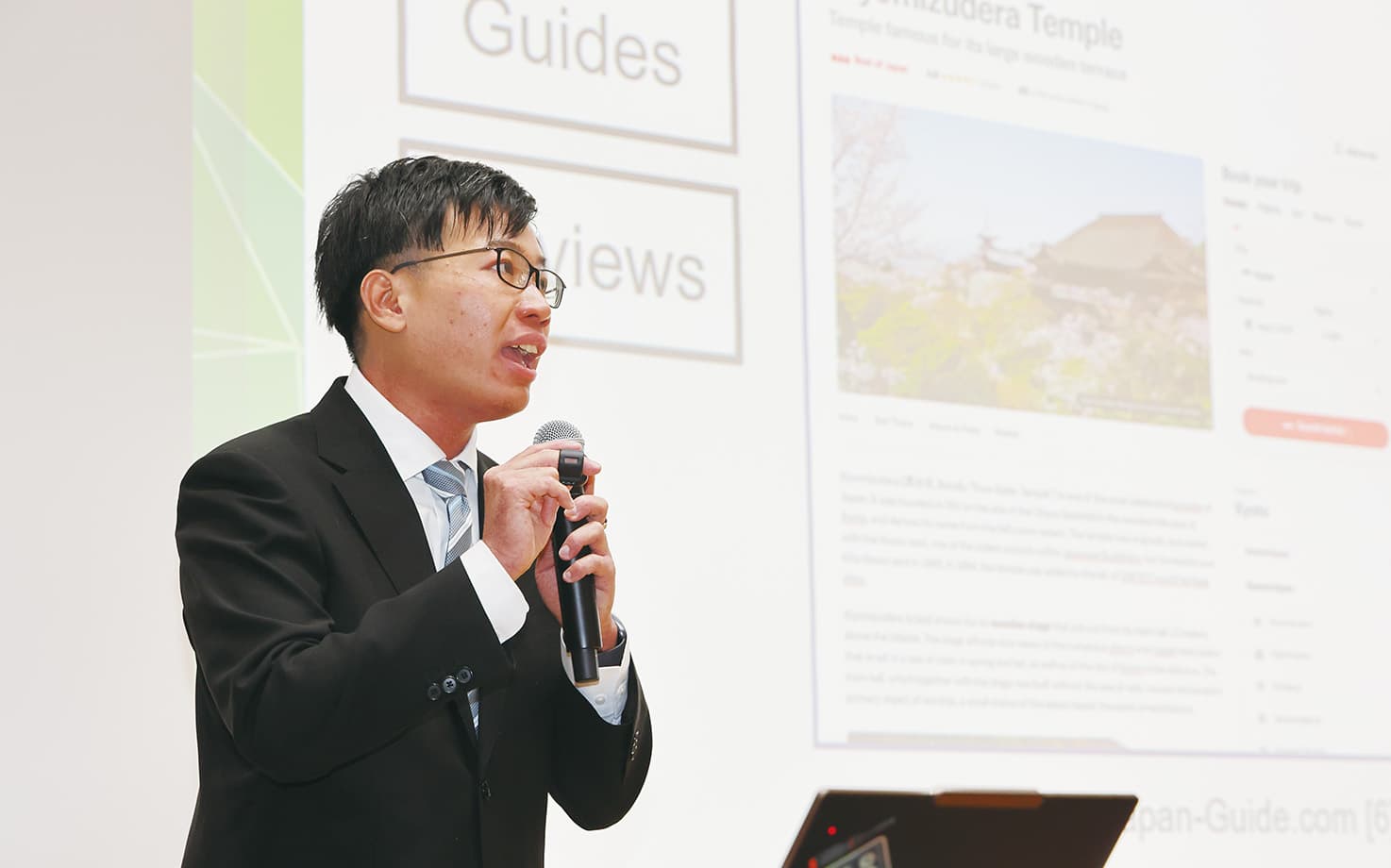
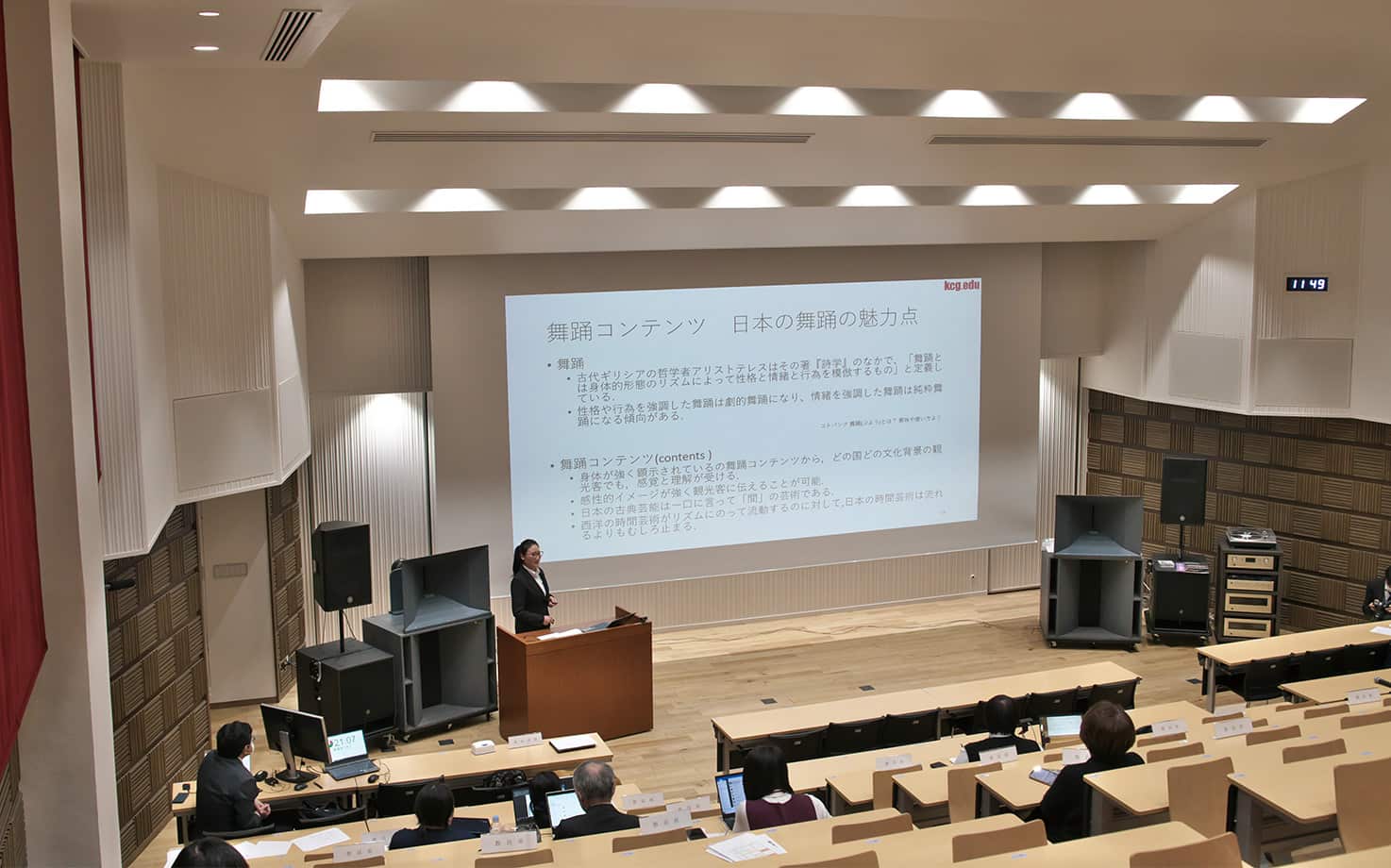
Students who choose Type 3 or Type 4 will present their Master Project at a public defense held during their fourth semester.