Summary
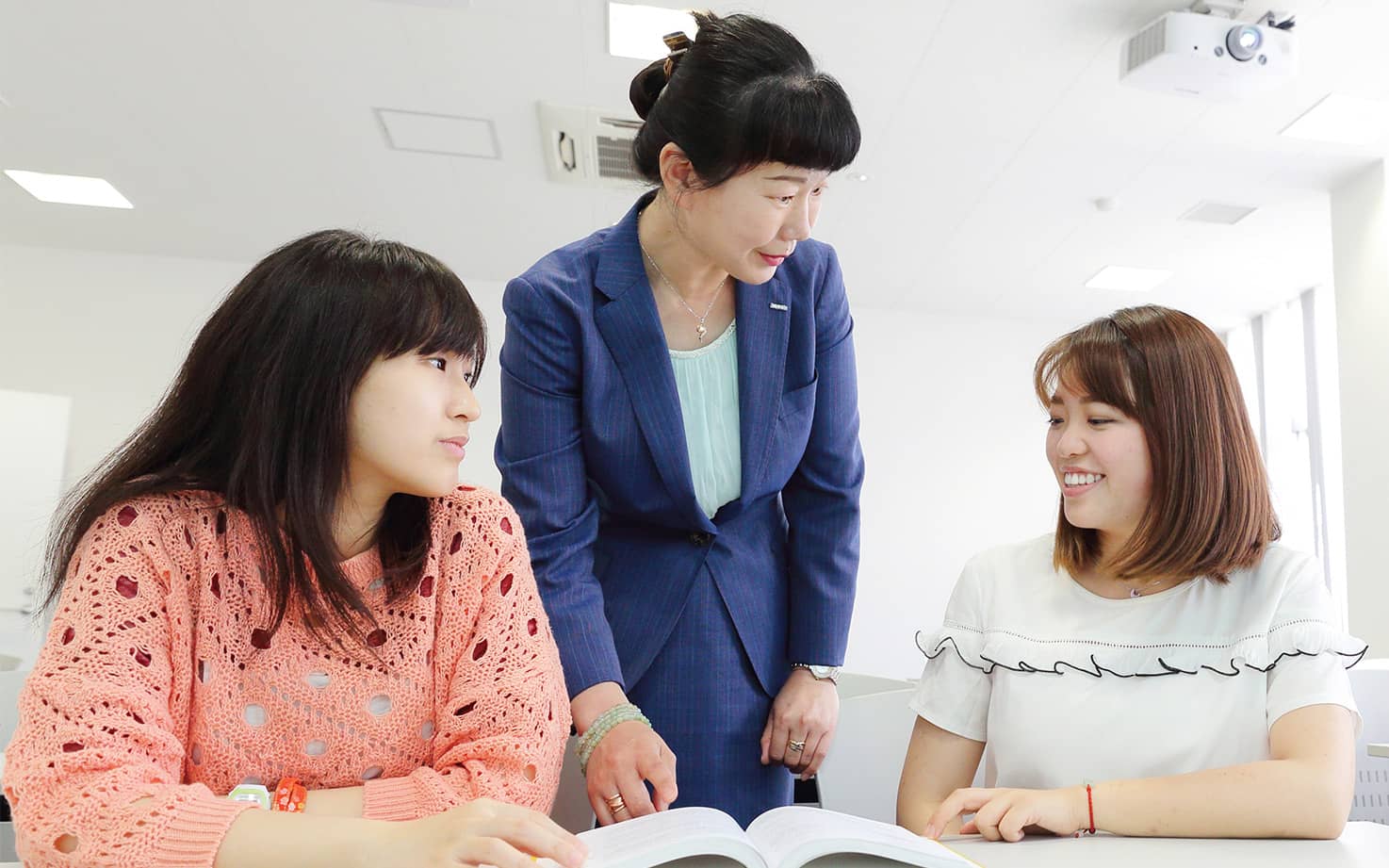
In recent years, there has been a growing need to develop tourism destinations that are attractive both to residents and visitors, while also promoting sustainable tourism.Those working in the tourism industry are increasingly expected to have the practical skills needed to achieve “Sanpo-yoshi”—benefits for the seller, the buyer, and society—based on the highest standards of hospitality.In the Tourism IT specialization, students systematically study the integration of tourism, business management, and information technology, learning how to create new tourism services and business models through the use of ICT.Students gain practical skills in data-driven decision-making, including the advanced and diverse use of multilingual and multimedia tourism information, the collection and analysis of data on tourists’ behavior, experiences, and feedback, as well as demand forecasting and strategic planning.Furthermore, through the creation and use of digital resources such as virtual tourism, students develop the ability to showcase the unique attractions of local communities and transform them into new forms of value.As the tourism industry faces a growing range of challenges, this specialization develops professionals capable of proposing ways to revitalize tourism destinations through tourism digital transformation (DX).Students aim to become next-generation tourism professionals who combine data-driven skills with hospitality and can collaborate with local communities to create new value.
Target Career Paths
- Engineer engaged in planning of tourism systems, system development and use of Big Data
- Manager possessing the skills to make tourism service management more efficient using IT
- Creative, Practice-Oriented Tourism DX Professionals Who Can Quickly Identify Valuable Information for Next-Generation Tourism
- Top-Level Management Professionals Who Can Lead the Tourism Industry
Themes of past Master Projects
- Development of Artificial Intelligence Robot in tourism field
- A Discussion and Proposal on Educational Tourism
- Construction of "health tourism system" targeting foreign tourists to Japan
- Tourism Development in the Post-COVID-19 Era: Focusing on the Use of ICT
- Extracting Appealing Movements in Kyo-mai Dance
- The Influence of Japanese Anime Films on Educational and Touristic Motivation
- Role of Traditional Festival Indra Jatra in Attracting Tourists in Nepal, A Comparative Study between Indra Jatra and Gion Matsuri
Message from Project Instructor
Professor, Meihui Li
My specialty is global human resource development.In recent years, with the globalization of the economy, the number of foreign companies entering Japan has been increasing, while at the same time, the number of Japanese companies attempting to move their manufacturing and sales bases overseas has been increasing rapidly due to the further activation of overseas markets.In recent years, as economies in Japan and around the world face increasing uncertainty, there is a growing need for global strategies to succeed in international competition and for the acceleration of digital transformation.The demand for global human resources is increasing in these companies, and there is an urgent need to train and secure them.As Japan promotes its policy of becoming a “Tourism-Oriented Nation,” the tourism industry is attracting increasing attention as one of the key industries expected to support the country’s future economy. This has also created a growing need for tourism ICT professionals capable of responding to the needs of inbound tourism.
On the other hand, problems brought about by overtourism (tourism pollution), such as congestion in public transportation and violation of etiquette from the Japanese point of view, have also become apparent, which are related to the safety and security of citizens.Because of its privileged location, the university is in an environment where it is possible to observe on a daily basis the conflict between the inheritance of local culture and the demand for tourism, such as whether the many traditional temples and shrines in Kyoto are "places of worship" or "tourist resources.Through fieldwork, students in this specialization discuss and explore FBL/PBL approaches that lead to practical problem-solving from a global, interdisciplinary perspective integrating both the humanities and sciences.In Kyoto, one of the world's leading tourist cities, we will broaden our horizons at the forefront of IT for tourism and develop "IT specialists for tourism" who have both knowledge and practical skills.
Advancing Tourism Informatics and Developing Human Resources through Academic Exchange
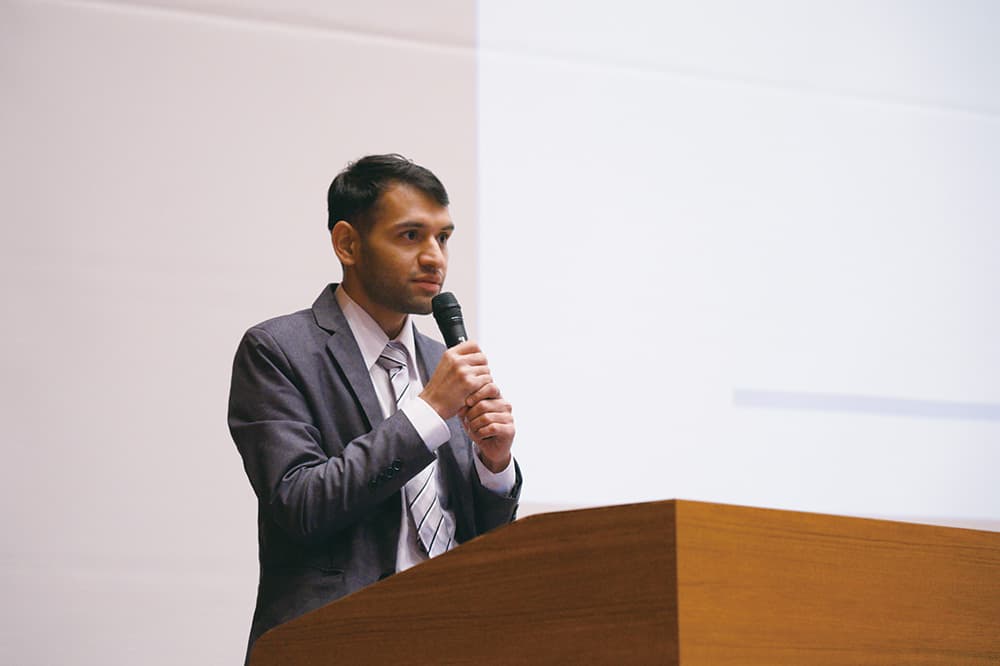
KCGI, led primarily by faculty members in the Tourism IT specialization, established the “Kansai Tourism Informatics Research Group,” the Kansai branch of the NPO Society for Tourism Informatics, a cooperative academic research organization of the Science Council of Japan. KCGI serves as the group’s main venue and continues to support its academic activities.
Faculty members and researchers from universities primarily in the Kansai region participate in the group, engaging in active academic exchange through research presentations and discussions at seminars and research meetings held twice a year.Through these initiatives, KCGI contributes to the advancement of research in tourism informatics and the development of the next generation of professionals in the field.
Students and faculty in KCGI’s Tourism IT specialization also actively present their research findings and promote the development of new tourism services and business models through the use of ICT.Furthermore, as a hub for these activities, KCGI strengthens collaboration with other universities while working to advance research in tourism informatics and enhance its education and academic supervision systems.