Summary
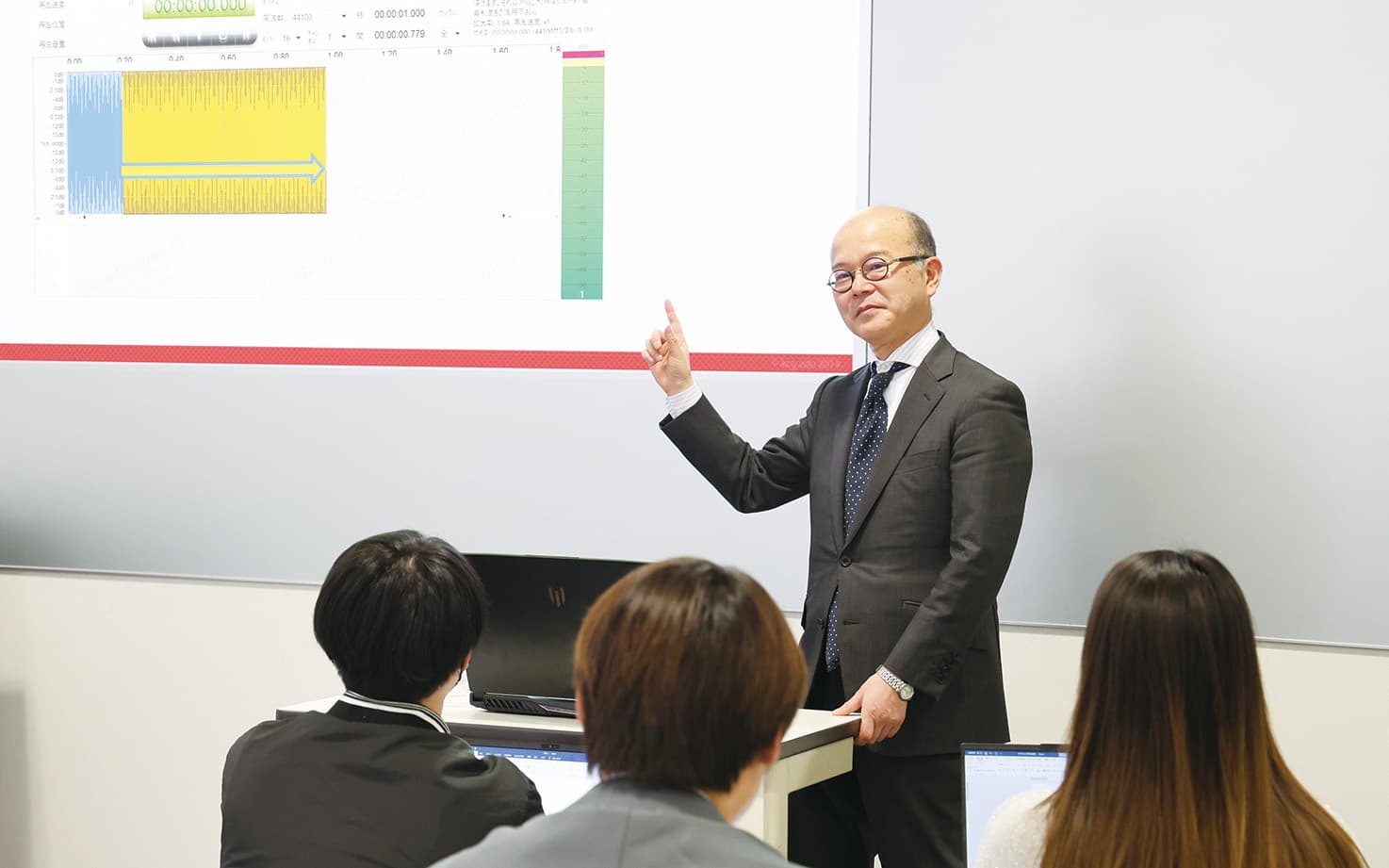
As internet connectivity, speed, and accessibility become increasingly widespread globally, digital entertainment is similarly shifting to the internet as the primary means not only for distribution, but also for storage, promotion, ownership, and production. Modern entertainment—including content such as movies, television, music, games, live streaming, smartphones, and Extender Reality (XR)—is more dependent than ever on the development, maintenance, and evolution of the IT infrastructure that supports it. This trend will only intensify as entertainment production companies turn to AI-powered cloud computing to deliver real-time performances across both online and live platforms as new experiences. This demands a new generation of professionals deeply versed in both the IT underpinning this infrastructure and the production and distribution methods of entertainment content itself. The IT Entertainment concentration equips you with the knowledge needed to develop a new career, focusing on entertainment production processes—particularly in gaming and video entertainment—within the context of the industry's IT/ICT/data infrastructure requirements, needs, and evolving technologies.
Target Career Paths
- IT Infrastructure Manager: Manages an organization's IT infrastructure (networks, servers, cloud, storage, security, etc.) to ensure stable operations
- Entertainment IT Managers Who Manage and Optimize IT Infrastructure and Digital Services in the Entertainment Industry, Including Gaming, Streaming, Video Production, and Music Distribution
- Platform Engineer: Designs, develops, and operates the infrastructure and platforms that form the foundation for software and services
- Technical Project Manager: Responsible for planning, executing, monitoring, and completing technical projects
- Digital Media Systems Engineer: Designs, develops, and operates systems required for digital media production and distribution
- Media Technology Engineer: Solves technical challenges related to the production, processing, and distribution of media content (video, audio, images, games, etc.)
Examples of Master Project Topics
- Animation on the Historical Development of Animation in China
- Chinese Amateur Manga Platform Business: A Case Study of the "U17" Business Model
- Production of Kyoto Tourist Information Animation using Mascot Characters
Message from Project Instructor
Professor Akiyoshi Watanabe
In the entertainment field, digitization has transformed how content is produced. For example, in music production, analog consoles, multitrack recorders, and processors—once extremely expensive—have been replaced by DAWs that can run on readily available laptops. Digital technology not only replaced analog but also enabled processing impossible or difficult with analog, changing how people engage with music. IT applications are also opening new possibilities in video production and live events. This field aims to cultivate talent capable of thriving in this evolving IT entertainment landscape.
Our curriculum includes subjects where students learn the latest technologies while also listening to authentic classical music. This is because, even as technology changes music, humans ultimately judge its quality. We believe exposure to genuine music is essential for this discernment.
Associate Professor David Thanh Hien Pucik
The essence of entertainment has rapidly evolved over the past decade, developing new media that fuse art and technology to captivate and delight audiences. People have never been so immersed in new forms of entertainment across every device, at any time, and in every place on Earth. The data infrastructure required to deliver this entertainment grows increasingly complex with each passing era. Students seeking to understand how these needs evolve and how to build service architectures to meet them stand to gain significantly by pursuing studies in this concentration.
Student Works
Introducing videos created by students in the “Performing Arts and IT (Entertainment in IT)” lecture.
The sea monster Siren, who lures sailors with her beautiful singing voice and causes them to shipwreck. Based on this Greek myth, students divided into groups and planned what kind of videos to create. They performed editing work such as shooting on a green screen and compositing with CG.
Behind the Scenes
This is a making-of video edited by the students, summarizing the production process of each group.